Angels, From The Realms Of Glory – All Products
Price range: $1.29 through $74.99
Description
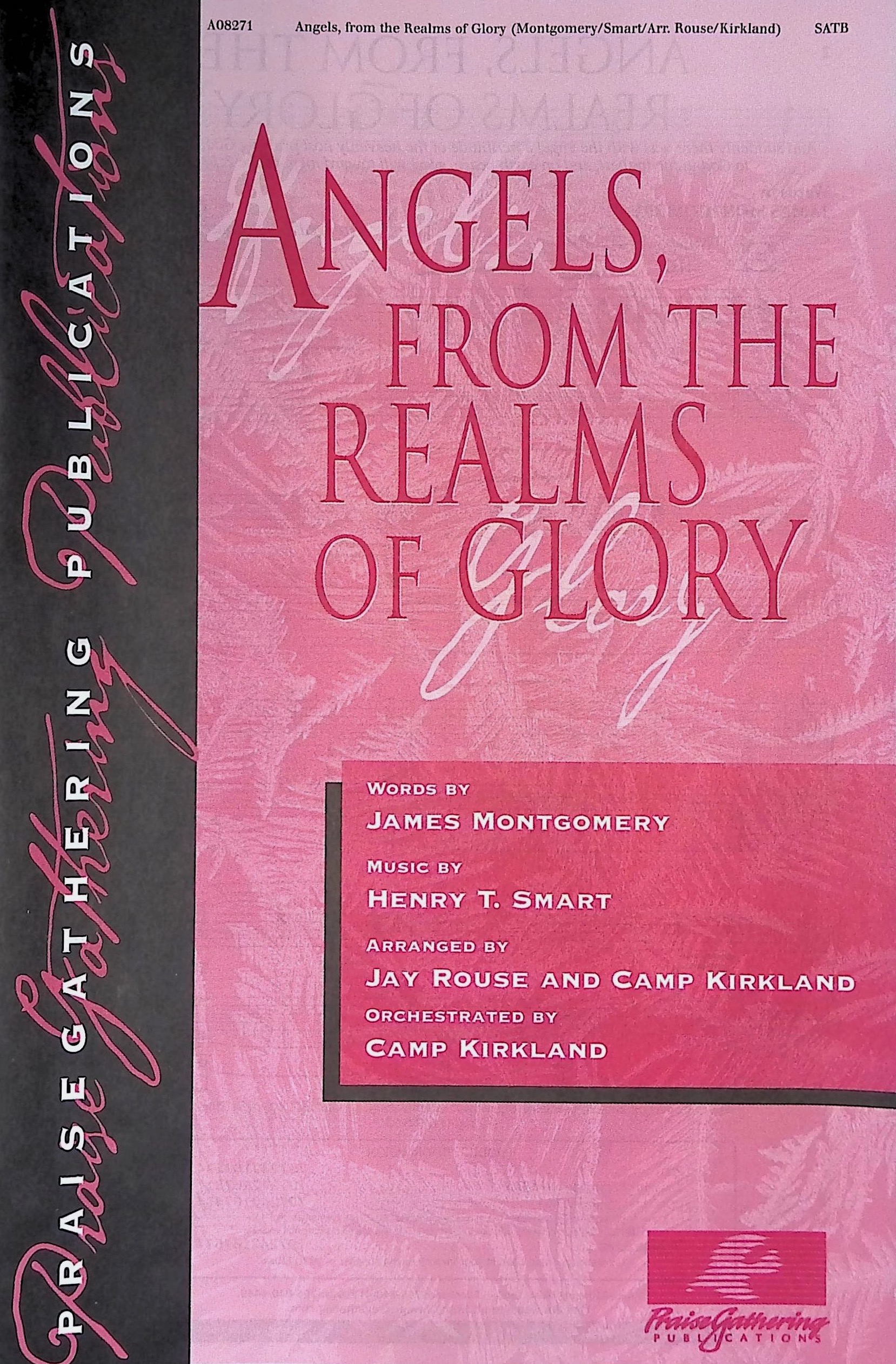
Angels, From The Realms Of Glory’ by Henry T. Smart, is a captivating satb that showcases exceptional musicality and innovation. Published by PraiseGathering Music, this piece is perfect for both concert performances and special occasions.
SCORE SPOTLIGHT: ANGELS, FROM THE REALMS OF GLORY
Words by James Montgomery
Music by Henry T. Smart
Arranged by Jay Rouse and Camp Kirkland
Orchestrated by Camp Kirkland
Distinctive Insight
Christmas is not merely an announcement to be heard; it is a summons to be answered, and every voice in heaven and on earth receives the same invitation: come and worship.
James Montgomery’s hymn has always been a carol of invitation, but this arrangement makes the invitation impossible to miss. Before a single verse is sung, the choir enters fortissimo on the words of the refrain itself. The call comes first. The story follows.
The Carol That Leads With The Invitation
Most settings of this beloved carol begin where the hymnal begins, with the angels winging their flight over all the earth. This arrangement does something different.
Marked With power at a driving tempo, the piano opens with bold fanfare figures, and the choir’s first entrance is a fortissimo declaration: Come and worship! The refrain that normally waits until the end of the first verse becomes the front door of the entire anthem.
That choice is more than a clever opening. It reveals the architecture of Montgomery’s text. Inspired by the multitude of the heavenly host in Luke 2:13-14, printed at the head of the score, the hymn is not primarily a narrative. It is a roll call. One by one, the verses summon every kind of witness to the manger, and every summons lands on the same refrain.
The arrangement simply tells the truth about the hymn: the invitation is the point.
Four Verses, Four Congregations
The genius of Montgomery’s text is its widening circle of worshipers, and this setting gives each group its own musical landscape.
The angels come first, in the bright home key, called to proclaim Messiah’s birth with the same voices that sang creation’s story. The writing here is full and confident, riding the energy of the opening fanfares.
Then the music turns Smoother, settling into a gentler key for the shepherds in the fields. The accompaniment relaxes, the texture warms, and for a few moments the anthem watches the night sky with those keeping watch over their flocks, as God with man comes to reside and the Infant Light begins to shine.
The wise men arrive in yet another key, called to leave their contemplations and seek the great Desire of nations, for they have seen His natal star. The harmonic motion keeps the journey feeling forward, always traveling toward Bethlehem.
Finally, marked Majestic, the music broadens for the saints before the altar, watching long in hope and fear. Here the carol reaches beyond the nativity scene entirely: suddenly the Lord, descending, in His temple shall appear. Jesus shall appear. The hymn that began with angels over Bethlehem ends with the promise of Christ’s return.
Four verses. Four congregations. One refrain.
A Refrain That Gathers Everything
Each modulation, each change of texture, each new group of worshipers funnels into the same words: come and worship, worship Christ, the newborn King.
The arrangers treat the refrain as the anthem’s gravitational center. It opens the piece at full strength, punctuates the verses, and returns at the final tempo with the choir at fortissimo, driving through a big ritardando into a sustained, triumphant ending in the anthem’s brightest key.
The effect in performance is cumulative. By the final page, the congregation has heard the same invitation extended to heaven’s angels, to working shepherds, to searching intellectuals, and to waiting believers. The only group left to invite is the one sitting in the pews. The anthem does not need to say so. The music has already made the point.
Why Conductors Will Appreciate This Piece
Jay Rouse and Camp Kirkland have built an anthem that sounds bigger than its difficulty. The choral writing stays close to the familiar hymn tune, REGENT SQUARE, which choirs already know in their bones, while the arrangement supplies the color: rhythmic fanfare figures in the accompaniment, well-paced key changes that give each verse a fresh start, meter shifts that propel the phrases forward, and clear dynamic architecture from the fortissimo opening to the smoother middle verses and back.
Because the melodic material is familiar, rehearsal time goes to polish rather than note learning. Unison and two-part passages in the shepherd and wise men verses give the choir room to breathe between the full SATB refrains. Camp Kirkland’s orchestration, available separately, turns the anthem into a genuine festival opener, and the available trax make the full sound accessible to choirs without instrumentalists.
The big rit. into the final statements of the refrain gives directors a satisfying interpretive moment, and the sustained closing chords land with the kind of finality that invites applause or a seamless segue into a call to worship.
A Carol For The Whole Story
One of the quiet strengths of Montgomery’s hymn is that it refuses to stay in the past tense. The angels and shepherds belong to the first Christmas. The sages travel toward it. But the saints in the final verse are watching for something still to come, and the anthem ends not with a baby asleep but with the promise that Jesus shall appear.
That gives the piece unusual range for programming. It works as a Christmas Eve opener, a festival processional, an Epiphany anthem for the wise men’s journey, or a proclamation that connects the manger to the second advent. It celebrates what happened and anticipates what is coming, and it calls every listener to the same response either way.
Why This Piece Resonates
Angels, from the Realms of Glory resonates because it gives congregations something to do with the Christmas story, not just something to hear.
The carol is beloved, the tune is instantly singable, and the arrangement supplies the festival energy that the season asks for. But beneath the brightness is a simple, repeated imperative that has lost none of its force in two centuries: come and worship.
Heaven has already answered the invitation. The shepherds answered it. The wise men answered it. The anthem ends with the invitation still open.
Why This Piece Matters
Many Christmas anthems retell the story. Angels, from the Realms of Glory issues the invitation.
James Montgomery’s hymn is built as a series of summonses. Verse by verse, the angels who sang creation’s story, the shepherds abiding in the fields, the sages seeking the great Desire of nations, and the saints bending before the altar are each called to the same response: come and worship Christ, the newborn King. This arrangement by Jay Rouse and Camp Kirkland sharpens that design by opening with the refrain itself, so the very first words the congregation hears are the invitation.
The setting moves with festival energy through a sequence of key changes that give each group of worshipers its own musical landscape, from the powerful opening fanfares to a smoother pastoral verse for the shepherds and a majestic final verse that gathers everyone into one triumphant ending.
For choirs seeking a Christmas opener or festival anthem that does more than describe the manger scene, this piece turns the congregation from audience into participants. Few carols make the call to worship this clear, and few arrangements deliver it with this much energy.
Additional information
| Catalog # | A08271 |
|---|---|
| Voicing | |
| Composers | |
| Arrangers | |
| Authors | |
| Release Date | |
| Season | |
| Publisher |
You May Also Like...
Related products
-
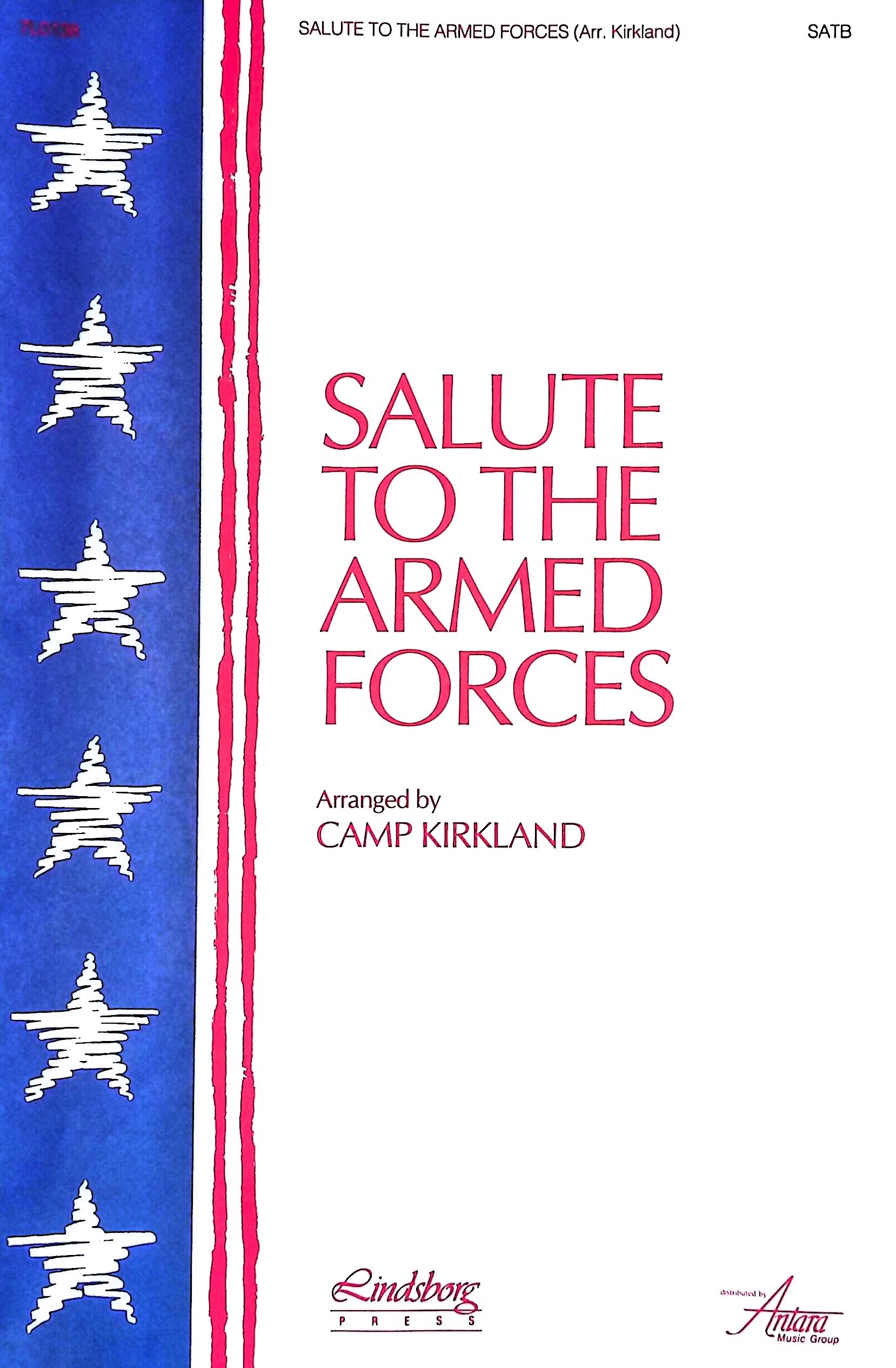
Salute To The Armed Forces (without Coast Guard) – All Products
Price range: $3.25 through $74.99 -
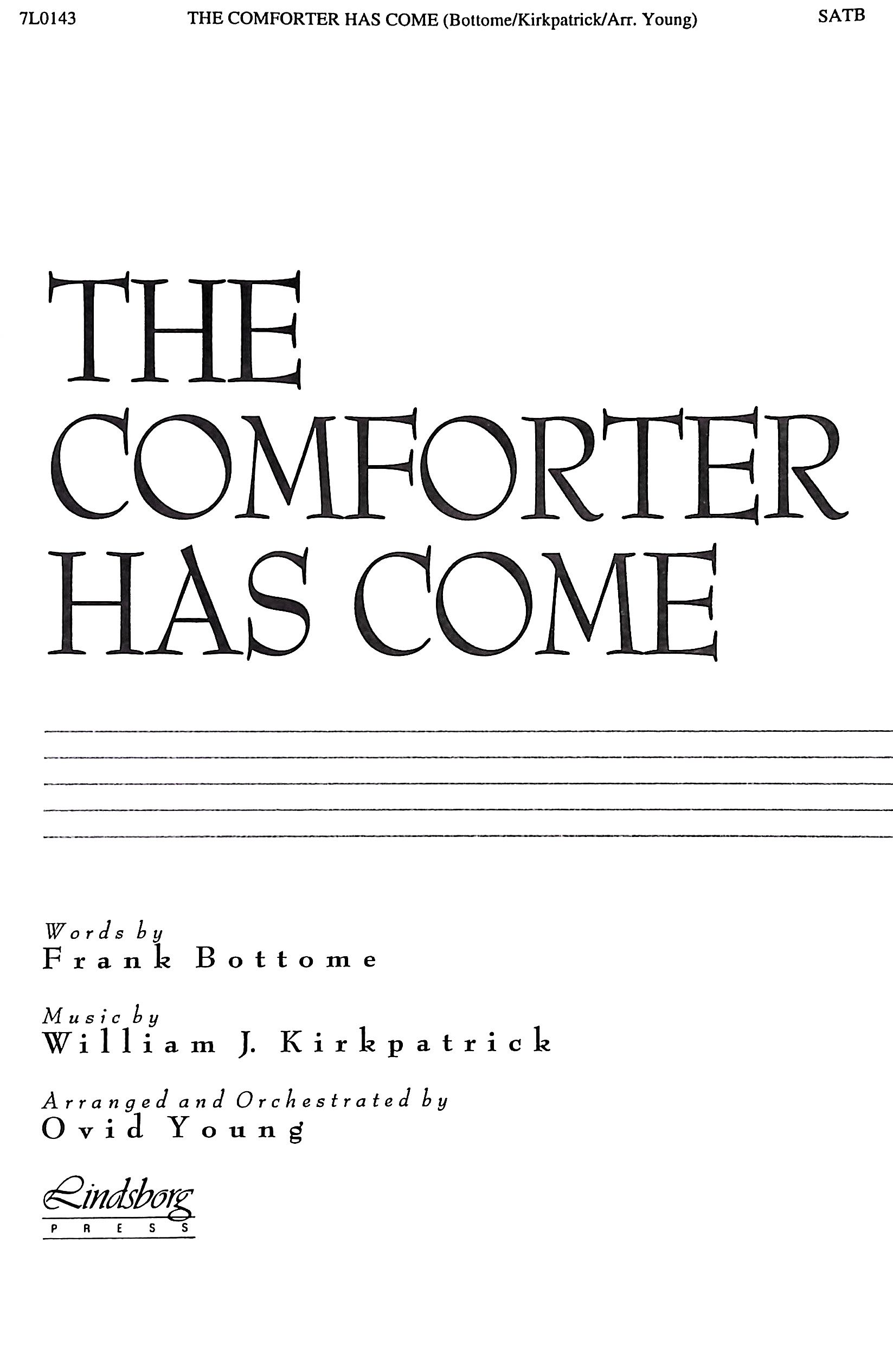
The Comforter Has Come – All Products
Price range: $3.50 through $74.99 -
Alleluia In Praise I Will Lift My Voice – All Products
Price range: $3.25 through $74.99 -
Your Love, O Lord – All Products
Price range: $1.29 through $74.99